Experimental software division

exotic
development
systems.

Zeta-Hybrid Tech is where recovered ideas become working systems. Classified builds, anti-gravity thinking, unexplained results — engineered on Earth, inspired elsewhere.

Enter the hangar
01 / Thesis

i'm a developer. this is where the side projects live. built because i wanted them.

By day I build websites and systems for clients. At night I build the software I can't buy: a studio, a practice room, a transcriber and an agent that never sleeps. Below is each one, how it works and what it's made of.

One operating principle

Build it properly.

Every project here is built to be used daily, and judged against the one thing it's for.

00 Device types in Pengo

Instruments, effects and utilities in a patchable virtual rack.

00 Standards in Jazz Lab

Each one analysed bar by bar, with key changes marked.

00 Parts separated by Audio to Score

Vocals, drums, bass, guitar, piano and the rest, pulled from one recording.

02 / Software anatomy Scroll to enter the field
Macro of glowing cyan alien circuitry

software has anatomy.

01 / Instruments

Studio software on a real-time audio engine.

02 / Teachers

Tools that read music and teach it back.

03 / Crew

An agent that works while I sleep.

03 / Operating protocol Three movements · one build
MOVEMENT_01 / ITCH

find the
itch.

Need · frustration

Every build starts with something I wanted and couldn't buy. I write the one sentence it has to do, and nothing goes in that doesn't serve it.

REQUIREMENT LOCKED
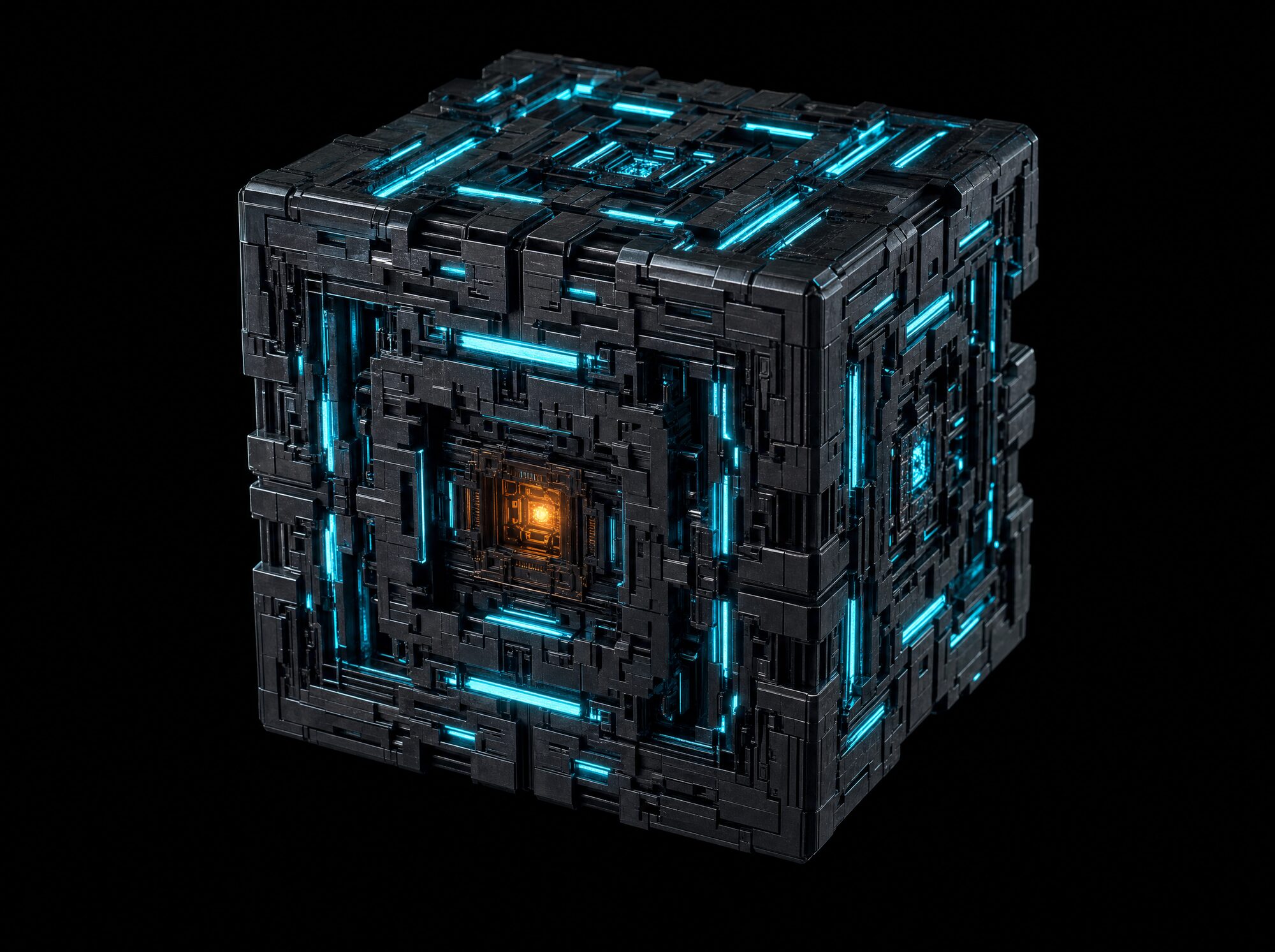
A cube of black lattice with cyan light inside
MOVEMENT_02 / BUILD

build it
properly.

Engineering · real data

Rust where timing matters, Python where it's quicker to be right. Real audio and real standards, with no mock-ups to hide behind.

ENGINE RUNNING
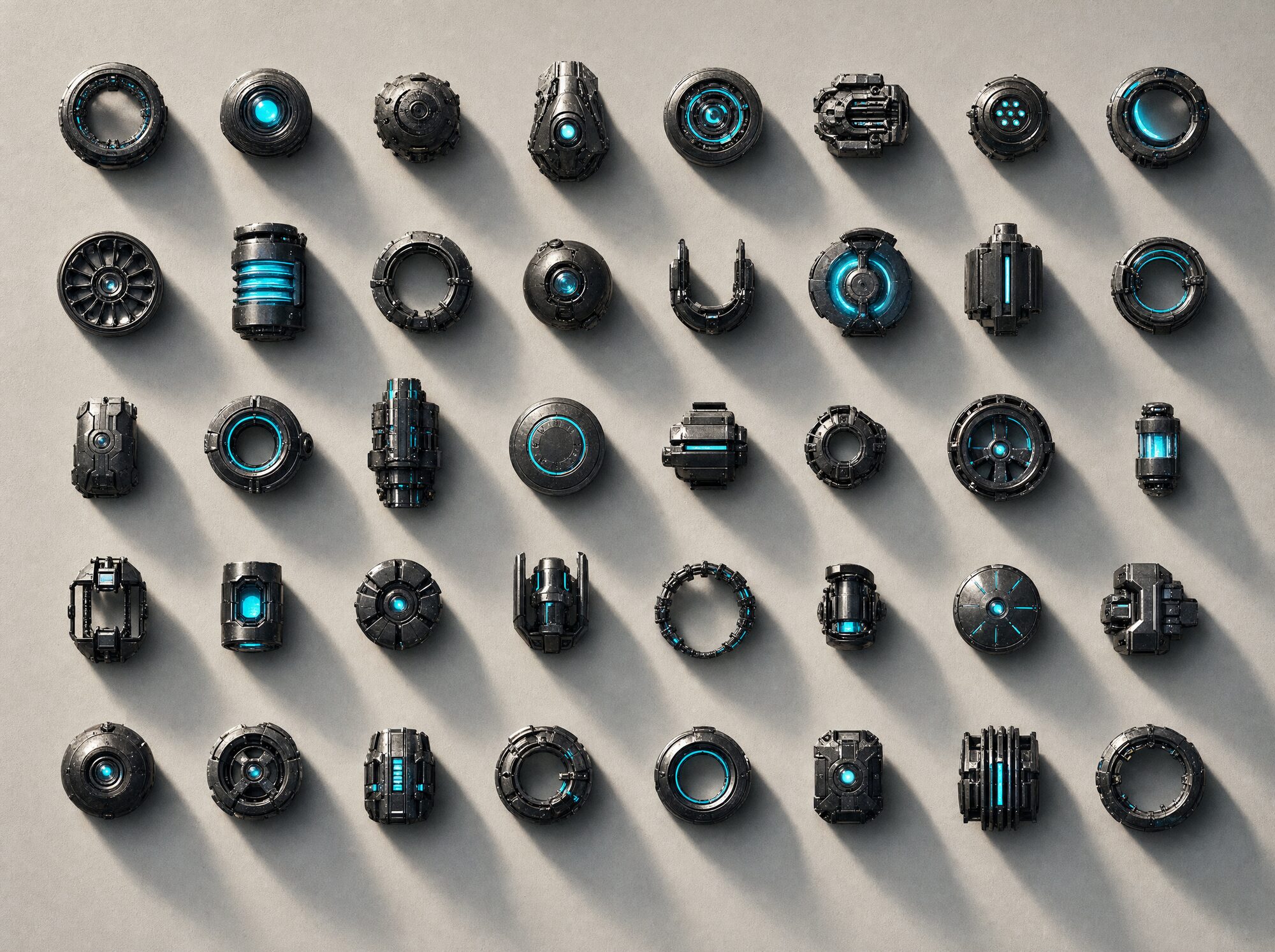
A grid of black alien machine components with cyan accents
MOVEMENT_03 / PROVE

test it
honestly.

Measure · report

I measure the output against human work and make the tool say how far to trust itself. Then I use it every day until it breaks.

LIVE IN USE
A black ring portal glowing cyan on a desert lake bed
04 / Living software Software should behave, not pose
A glass alien flower with a glowing cyan core
SPECIMEN ZT-04STATE / BECOMING
01 / Built for one reader

a tool for an
audience of one.

Nothing here was designed to be sold. That freedom is why each one is so specific about what it's for.

02 / Used, not shown

if i don't use it,
it isn't finished.

Each project earns a place on my own desktop, or it goes back on the bench.

03 / Never finished

built to keep
getting better.

The same code that plays a first chord today gets measured against better data tomorrow.

Real audio —
real data —
real use.
Interlude / the way I work Read sideways · build forward
Build it right Build it right Build it right Build it right Build it right
Use it daily Use it daily Use it daily Use it daily Use it daily
Measure it Measure it Measure it Measure it Measure it
05 / Toolkit Hover to inspect
  1. 01Real-time audio↗
  2. 02Desktop apps in Rust↗
  3. 03Local web apps↗
  4. 04Machine listening↗
  5. 05Agents and automation↗
  6. 06Motion on the web↗
06 / Field site Architecture for ideas not yet possible
A fragment of dark craft hovering in a pale concrete hangar

the lab isa hangar.

1:1

Every project is a bay. Pengo, Jazz Lab, Audio to Score and Hermes follow, each with its screens, its stack and what it does.

07 / Pengo Desktop audio · Rust · Linux

a studio rack,
rebuilt in rust.

Pengo is a rack-based mini-DAW. Virtual hardware you patch together with cables, a sequencer with a piano roll, and a console mixer. Every line of code, every faceplate and every sound in it is original.

  1. 0119 device types - instruments, effects and utilities stacked like hardware, each with its own faceplate.
  2. 02Front and rear views. Flip the rack and drag cables between jacks. The patching is real, not decoration.
  3. 03A real-time engine. Lock-free, allocation-free audio thread with a sample-accurate transport clock.
  4. 04Hosts VST3 plugins as rack devices, and exports the mix plus one file per channel in a single pass.
  • Rust
  • egui
  • cpal
  • VST3
  • MIDI
pengo / front
Pengo's rack, front view: line mixer, drum machine, reverb and poly synth
pengo / rear - patch bay
Pengo's rack, rear view, with audio cables patched between devices
08 / Jazz Lab Learning tool · Python + Rust · Desktop

learn the changes,
not just the chart.

Jazz Lab opens a standard, reads the harmony bar by bar, draws the chord-scale on the fretboard and plays a rhythm section that follows the form. I built it to get as good at this repertoire as I am at development.

  1. 011,287 standards, each analysed bar by bar: chord, chord-scale and roman-numeral function.
  2. 02Key changes marked. The thing that makes a tune like All The Things You Are hard is visible on the chart.
  3. 03A band that follows the form. Rhodes comping, walking bass and a swung ride, with live tempo and looping.
  4. 04Drill modes. Hide the chords or hide the analysis and work it out yourself. Mute any part and play it instead.
  • Python
  • FastAPI
  • Rust audio engine
  • SVG fretboard
jazz lab / all the things you are
Jazz Lab showing the chord-scale analysis of All The Things You Are with the fretboard below
09 / Audio to Score Machine listening · Python · Desktop

from recording
to draft tab.

Take a recording, find the guitar solo in it and get a draft tab to open in TuxGuitar. Or pull the band apart and mix it so you can hear a line clearly enough to learn it by ear.

  1. 01Separates a track into six parts: vocals, drums, bass, guitar, piano and other. Done once, then cached.
  2. 02Transcribes any part to Guitar Pro tab, and renders your own mix to WAV, MP3 or FLAC.
  3. 03Says how far to trust it. About nine notes in ten are the right pitch. The tab is a draft and the app tells you so.
  4. 04Local only. The server binds to this machine and checks the request origin.
  • Python
  • FastAPI
  • Source separation
  • Guitar Pro (GP5)
audio to score / mix the parts
Audio to Score mixer with six separated parts on faders and the Make tab controls
10 / Hermes Agent infrastructure · Docker · Private network

an agent that
works the night shift.

Hermes is an open-source agent. What I built is everything around it: the sealed server it lives on, the jobs it runs while I sleep, and the approval gate that stops it publishing anything without a human yes.

  1. 01Zero public ports. It sits in containers on a private mesh network and answers only to my own devices.
  2. 02Scheduled jobs, written as scripts: weekly site reviews, news digests, improvement plans turned into task cards, lead research.
  3. 03Skills and a persona written for how I actually work, so it stops starting every day with amnesia.
  4. 04Nothing ships on silence. Every outward-facing action waits in a queue for my approval.
  • Docker
  • Tailscale
  • cron + shell
  • Hermes Agent
  • Multi-model routing
hermes / scheduled jobs
JOBCADENCESTATE
weekly site reviewweeklyactive
ai news digestweeklyactive
security news digestweeklyactive
site improvement plantwice weeklyactive
plan to task cardstwice weeklyactive
lead researchweeklyactive
OUTWARD ACTIONS—awaiting approval
11 / Collective field One human · many machines
Glass probe pods linked by cyan filaments around a central node

one developer, a fleet of agents and the machines between.

Node sync / 00%
12 / Principles Four rules · one standard
Rule 01 / Built to be used

no demo-ware.

If I don't open it on a normal day, it isn't finished. Everything here earned a place on my own desktop.

Rule 02 / Honest output

no black boxes.

A tool that guesses should say so. Audio to Score reports how far to trust its own tab.

Rule 03 / Local first

no data leaving
the machine.

The apps run on my own hardware and bind to it. The agent sits behind a private network with nothing public.

Rule 04 / A human in the loop

no silent
publishing.

Anything that leaves the building waits for a person to say yes.

The final variable is always human

machines get faster.
wonder must get deeper.

Zeta-Hybrid Tech is the experimental side of one developer, building the software he wishes already existed.

Open channel Client work lives at Rod Fernandez Design

contact the
hangar.

rodfernandezdesign.com ↗